XPeng’s EV Tech to Power Volkswagen’s Gas and Hybrid Lineup in China
By Zhai Shaohui and Han Wei

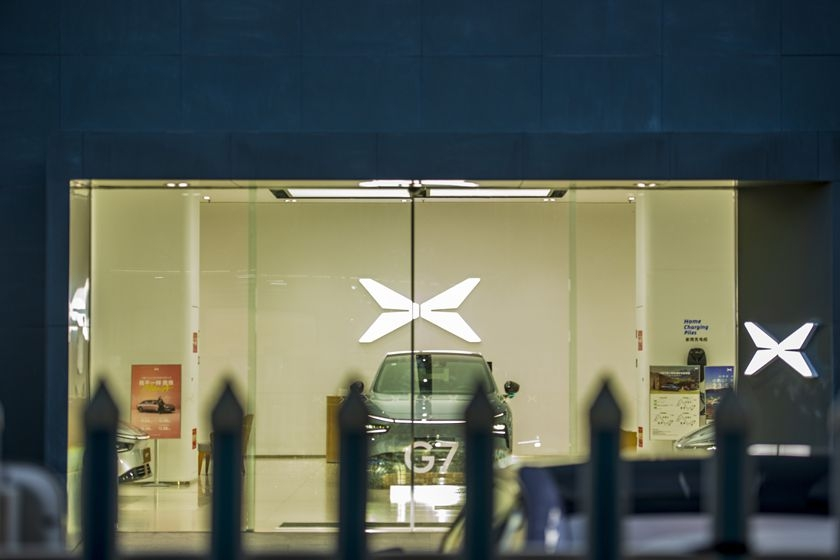
Volkswagen AG is deepening its partnership with XPeng Inc. to bring the Chinese electric-car maker’s advanced digital systems to Volkswagen’s gasoline and hybrid models in China, extending a technology alliance that had originally targeted electric vehicles (EVs).
The companies began collaborating in April 2024 to develop a next-generation electronic and electrical architecture for Volkswagen’s EVs in China, with the goal of beginning mass production of the first Volkswagen-brand vehicle built with the CEA platform in 2026.
On Friday, XPeng said the two companies have since verified that the China Electronic Architecture (CEA) — originally designed for electric platforms — can be integrated into vehicles powered by internal combustion engines or hybrid systems.
The broader tie-up underscores a growing trend that global auto giants are leaning on Chinese EV startups to stay competitive in a market rapidly shifting toward smart vehicles. For Volkswagen, the deal represents a strategic modernization of its combustion-engine offerings, which have lagged behind EVs in adopting digital features. For XPeng, it marks a milestone in monetizing its software by licensing it to traditional carmakers.
Volkswagen initially invested around $700 million in XPeng in July 2023, acquiring a 4.99% stake. The two companies set out to jointly develop two Volkswagen-brand electric models for the Chinese market. They have since expanded the agreement to cover platform development, software and vehicle architecture.
By extending the cooperation to gasoline and hybrid models, Volkswagen hopes to equip a far larger number of vehicles with XPeng’s architecture — offering the potential for scale efficiencies.
At the heart of the collaboration is the vehicle’s electronic and electrical system, a foundational layer that governs connectivity and smart functionality. Many gasoline-powered cars have lagged in adopting intelligent features in part because their legacy architecture wasn’t designed to support them.
Despite the decline in gasoline-engine cars sales in China, internal combustion remains far from obsolete. McKinsey & Co. forecasts that by 2030, China’s passenger car market will be split roughly into thirds — 40% electric, 30% hybrid and 30% gasoline. This contrasts with the slower global shift, where total new-energy vehicle penetration is expected to reach 50% by the same year.
Sustained demand for traditional engines has led automakers to upgrade their gasoline models with technology once exclusive to EVs — and for many, the fastest path is through Chinese tech. Audi, Volkswagen’s premium marque, recently partnered with Huawei Technologies Co. Ltd. to add assisted driving features to a gasoline sedan built with SAIC Motor. Meanwhile, a new gasoline SUV from FAW-Volkswagen comes equipped with an autonomous driving system from Zhuoyu Technology, another Chinese supplier.
XPeng’s financial performance has benefited from the Volkswagen partnership. In the first quarter, its auto services revenue surged 43.6% year-on-year to 1.44 billion yuan ($200 million), while gross margin climbed to 66.4%. XPeng credited the gains largely to technical R&D services rendered to Volkswagen.
On XPeng’s first-quarter earnings call in May, Vice President Zhang Xiaofeng said the project was moving quickly, with milestone goals met and some products expected to be production-ready within a year.
Contact reporter Han Wei (weihan@caixin.com)
caixinglobal.com is the English-language online news portal of Chinese financial and business news media group Caixin. Global Neighbours is authorized to reprint this article.
Image: Samuel B. – stock.adobe.com