Record Spending on Belt and Road Initiative Targets Energy and Mineral Resources

Chinese investment in countries aligned with its Belt and Road Initiative rose to unprecedented levels in the first half of 2025, driven by a strategic pivot toward energy and mineral resources.
Total funding reached nearly $124 billion across 176 projects — more than double the figure for the same period in 2024 — according to a report from Fudan University’s Green Finance & Development Center. That figure has already surpassed the $122 billion total for all of 2024.
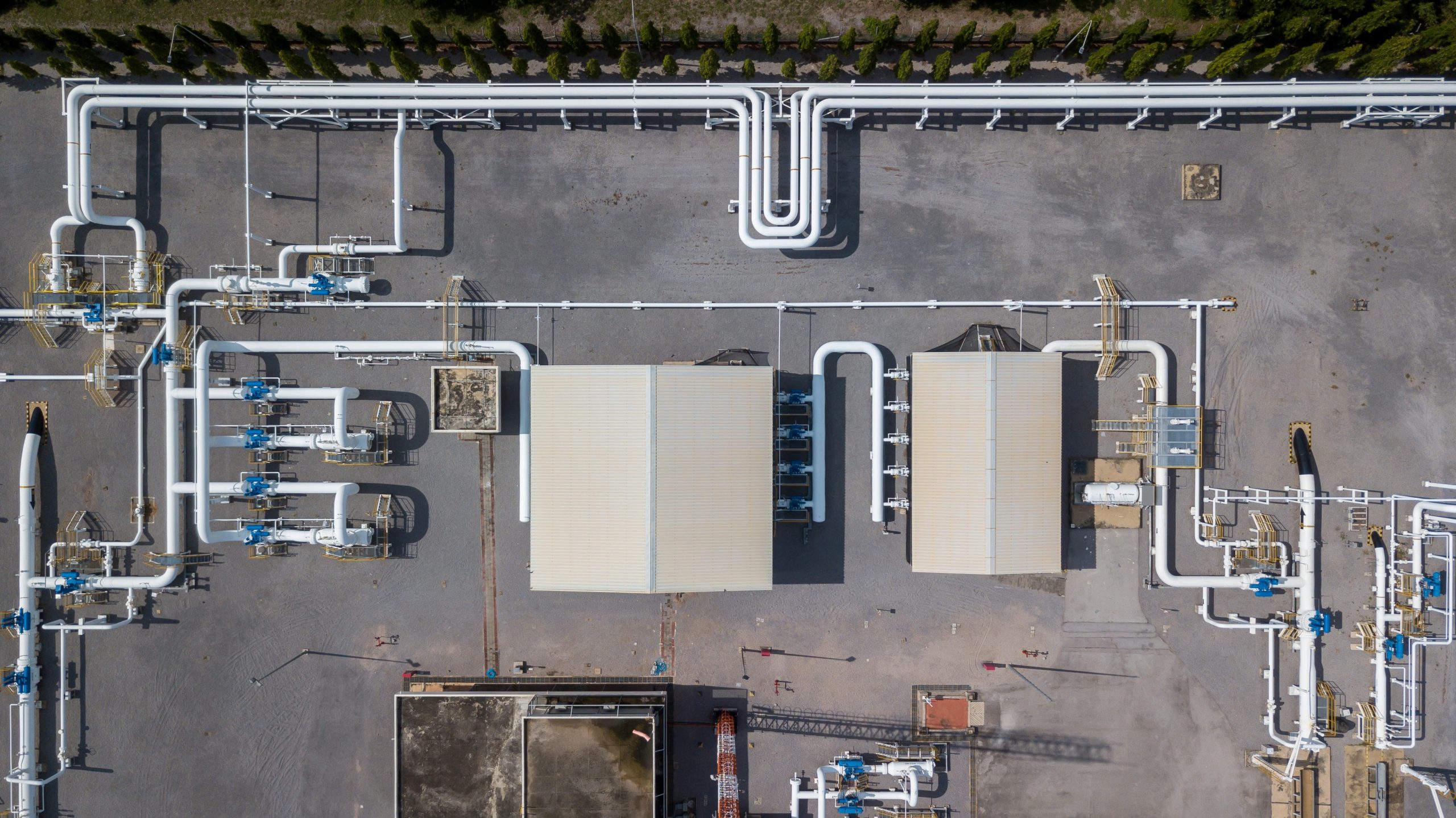
The spike stems from a renewed emphasis on the energy sector. Chinese firms funneled $44 billion into energy-related deals, the highest since the initiative was launched in 2013. Oil and gas projects alone attracted $30 billion, including a record $20 billion contract secured by China National Chemical Engineering International Co. Ltd. to build a natural-gas processing facility in Nigeria’s Ogidigben industrial park.
Mining investments also hit historic highs, with $24.9 billion committed to metals and mining ventures — exceeding 2024’s full-year peak. Kazakhstan emerged as a key destination, landing a $12 billion aluminum project with East Hope Group and a $7.5 billion copper investment.
The figures signal a strategic shift in Beijing’s overseas ambitions. With outbound direct investment slowing overall, the Belt and Road’s intensified focus on energy, strategic minerals and advanced technology indicates a drive to secure critical supply chains and build industrial resilience. Transportation infrastructure — a hallmark of early Belt and Road investments — now accounts for only 7.2% of the portfolio, down from 28% in 2018.
Green energy and high-tech manufacturing are gaining ground. Chinese funding for solar and wind projects hit $9.7 billion, adding 11.9 gigawatts of new capacity. Meanwhile, investment in technology and manufacturing more than doubled to $23.2 billion. Notable deals included CALB Group Co. Ltd.’s $2.1 billion lithium battery plant in Portugal and Xinyi Glass Holdings Ltd.’s $700 million solar glass facility in Egypt. Longi Green Energy Technology Co. Ltd. also joined green hydrogen initiatives in Nigeria.
Geographically, Africa and Central Asia attracted the lion’s shares of funding, securing $39 billion and $25 billion respectively. Nigeria recorded the most dramatic surge — up a staggering 12,235% year-on-year. Other fast-growing destinations included Thailand, Laos, Tanzania and Oman.
Private-sector players are taking on a greater role. The top three investors in the first half were East Hope Group, Xinfa Group Co. Ltd. and Longi, according to the report.
The surge in Belt and Road investment contrasts with broader trends in Chinese outbound activity. According to EY, total overseas investment across all sectors fell 6.2% year-on-year to $80 billion in the first half.
Even so, the Fudan report expects Belt and Road momentum to hold steady in the second half of 2025, with continued emphasis on renewables, mining and high-tech sectors. Since its launch in 2013, China the initiative has attracted more than $1.3 trillion in Chinese investment.
Contact reporter Han Wei (weihan@caixin.com)
caixinglobal.com is the English-language online news portal of Chinese financial and business news media group Caixin. Global Neighbours is authorized to reprint this article.
Image: Kalyankan – stock.adobe.com