China Moves Toward Free Childbirth to Tackle Demographic Crisis
By Zhou Xinda

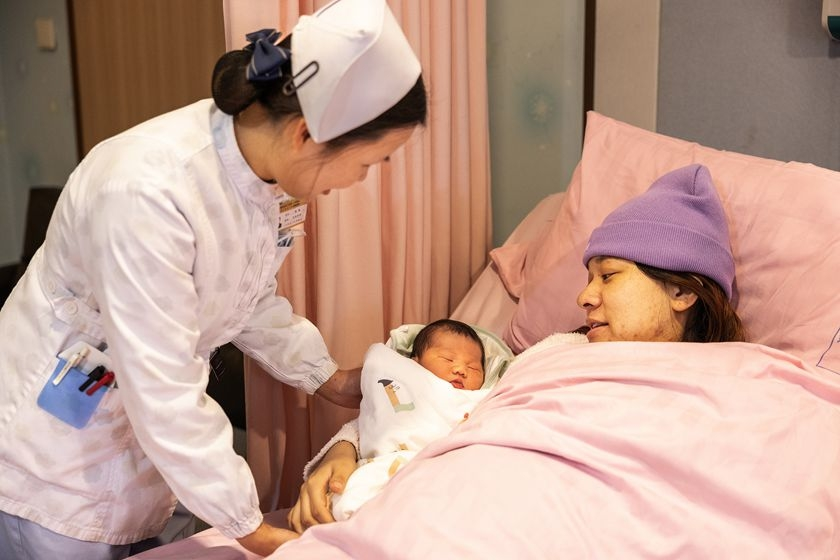
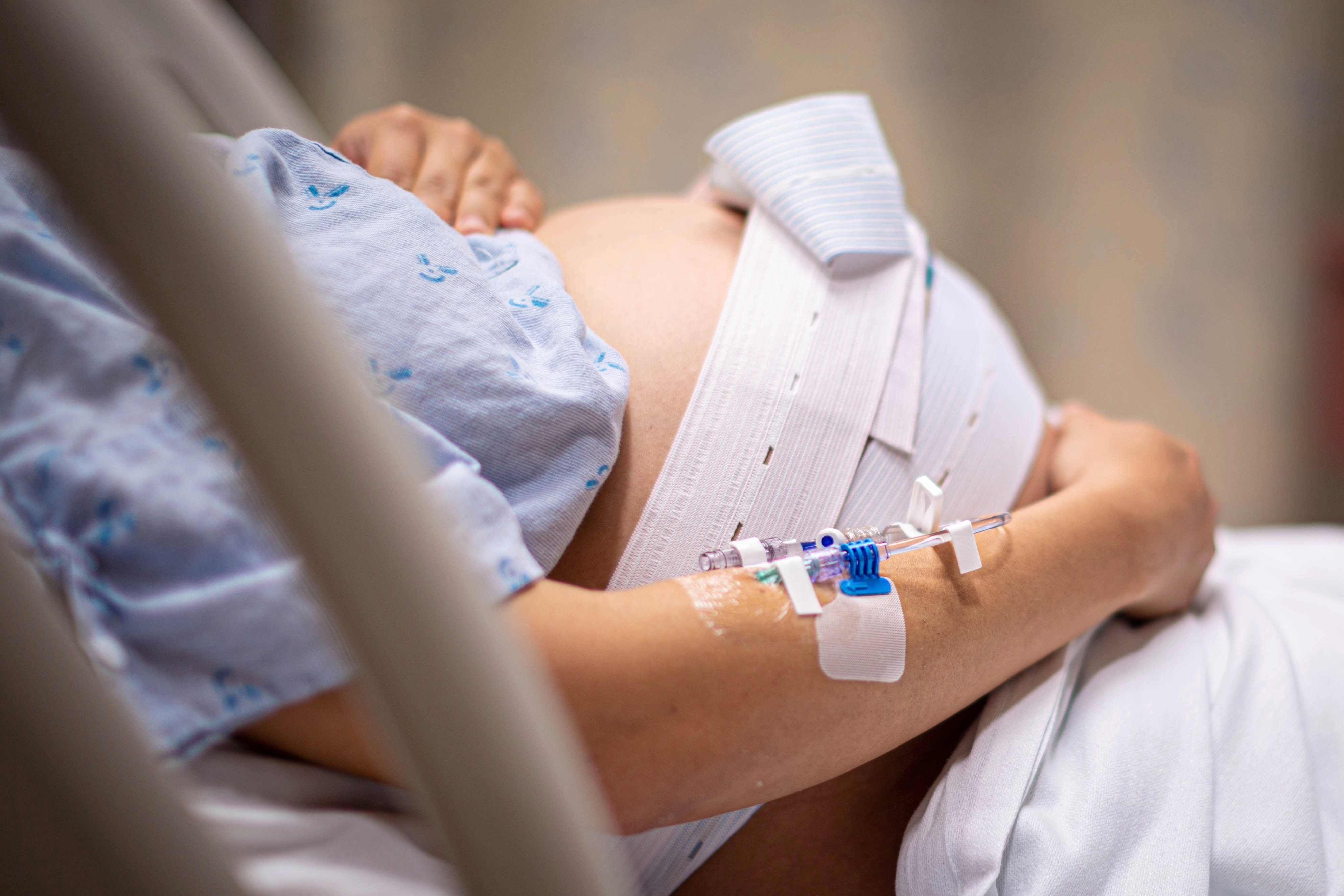
China is intensifying its efforts to incentivize childbearing by proposing to make hospital deliveries free of charge, the latest step in a broad campaign to reverse the country’s deepening demographic decline.
The National Healthcare Security Administration, the country’s medical-insurance regulator, set out plans at a meeting last week to eliminate out-of-pocket costs for childbirth within policy limits. The agency also aims to expand insurance coverage for labor analgesia, or epidurals, a service that has historically been underutilized in China due to cost and a shortage of anesthesiologists.
The initiative comes as Beijing grapples with a shrinking workforce and an aging society. While the government has scrapped birth limits and introduced various incentives, the high cost of raising a child remains a primary deterrent for many families.
According to the medical-insurance regulator, spending by the national maternity insurance fund reached 143.18 billion yuan ($19.75 billion) in 2024, a nearly 34% increase from the previous year. While maternity insurance revenue has been merged into the broader basic medical insurance reporting since 2020, official data indicates that inputs into the system have grown steadily over the past decade.
Despite rising spending, gaps in coverage persist. Critics have long pointed to narrow eligibility, insufficient cash benefits and poor enforcement of maternity leave policies. Participation rates for maternity insurance have historically lagged behind other social security programs.
Seven provinces, including Jilin, Jiangsu and Shandong, have already rolled out policies to fully cover inpatient delivery expenses. A key component of the new national push is the inclusion of labor analgesia. In 2018, the National Health Commission launched a pilot program involving 912 hospitals to boost the use of epidurals, raising the adoption rate from 10% to over 40% in two years. The commission has mandated that all general hospitals at the second-tier level or above offering obstetrics services must provide labor analgesia by 2027.
Cost remains a barrier. In Shanghai, an epidural can cost 1,800 yuan, with additional hourly charges for longer labors, largely paid out of pocket. Some regions such as Zhejiang and Jiangsu have begun covering these costs, with reimbursement rates for employees exceeding 70%. In Shanghai, insurance now covers 80% of the fee up to a cap.
However, existing insurance schemes often fall short of the total financial burden. A 2025 study by the National Health Commission’s National Center for Women and Children’s Health found the average cost of a vaginal delivery, including prenatal care, was 10,864 yuan, while a cesarean section cost 16,436 yuan. Current insurance schemes cover approximately 40% to 55% of the total costs for the full maternity cycle.
For many families, these medical expenses consume a significant portion of annual income—ranging from roughly 11% for urban families to over 22% for rural households in cases of cesarean sections, according to the study.
To bridge the gap, local governments are increasingly turning to fiscal subsidies. Jiangsu province, for instance, has implemented a program since July 2025 where the government covers any remaining delivery costs after insurance payouts.
The National Healthcare Security Administration stated it intends to expand maternity insurance coverage to include flexible workers, migrant workers and those in the gig economy. The agency also plans to standardize a basic service package that includes prenatal checkups and streamline the direct payment of maternity allowances to policyholders.
Some experts invoke the need for a more radical shift. Zhuang Yuxia, an associate research fellow at the Shanghai Academy of Social Sciences, suggested decoupling maternity medical benefits from employment-based insurance and merging them into the general medical insurance system to create universal coverage. She also recommended unifying paid parental leave standards and using social insurance funds to cover benefits for gig workers.
caixinglobal.com is the English-language online news portal of Chinese financial and business news media group Caixin. Global Neighbours is authorized to reprint this article.
Image: globalmoments – stock.adobe.com