
ByteDance in Talks With Smartphone Makers to Embed AI Assistant
By Guan Cong

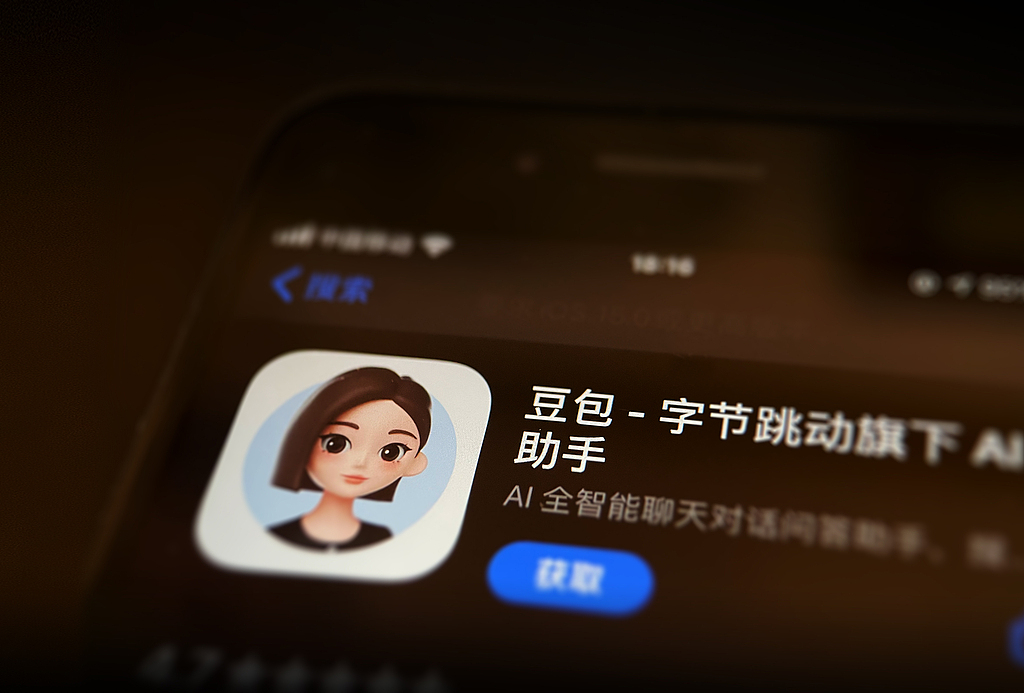
ByteDance Ltd. released a preview of a smartphone assistant powered by its Doubao large language model on Monday, as the company explores deeper integration of its AI software into mobile operating systems without making its own devices.
The Doubao Phone Assistant is designed to operate at the system level, allowing it to autonomously perform complex tasks across different apps such as booking tickets, comparing prices and placing online orders. As such functionality requires deep access permissions, the assistant depends on authorization from phone manufacturers. ByteDance has partnered with ZTE Corp. to run the preview on a limited-release engineering sample, the “nubia M153,” priced at 3,499 yuan ($493). The device is being sold in small quantities.
ByteDance emphasized that it has no intention of manufacturing smartphones itself. Instead, the company is pursuing an “ecosystem cooperation” model, conducting talks with multiple mobile phone brands to integrate the Doubao assistant into their devices.
Large language model (LLM) developers are increasingly seeking integration with hardware to boost usage frequency and stickiness. In a similar move globally, Samsung Electronics Co. announced in April that its Galaxy A series would allow users to activate Google’s Gemini AI assistant via a side button. However, ByteDance faces a crowded market in China, where major manufacturers like Huawei Technologies Co. Ltd., Xiaomi Corp. and Honor Device Co. Ltd. have already rolled out devices featuring their own system-level AI assistants.
The potential market for system-embedded AI significantly dwarfs that of standalone apps. According to data from QuestMobile, the user base for AI assistants built by the six largest smartphone makers reached 535 million by September 2025. By comparison, native AI apps and in-app AI features had user bases of 287 million and 706 million, respectively.
Doubao currently leads China’s native AI app market. QuestMobile data indicates that Doubao hit 172 million monthly active users in September, followed by High-Flyer Quant’s DeepSeek with 145 million and Tencent Holdings Ltd.’s Tencent Yuanbao with 32.9 million.
The competitive landscape remains fluid as global players navigate the Chinese market. Apple Inc. has yet to officially announce a local partner for its Apple Intelligence features in China. While the U.S. tech giant said in February it was collaborating with Alibaba to deploy AI on iPhones in the country, it has not yet launched those functions on the Chinese mainland.
According to a demonstration, Doubao’s new phone assistant can be woken via voice commands, a side button or the Ola Friend headphones. It can respond to questions based on on-screen content and carry out actions across apps, such as searching multiple e-commerce platforms, comparing specifications and prices, applying coupons and placing orders.
ByteDance said high-sensitivity steps, such as final payments, will require manual user confirmation to reduce security risks.
caixinglobal.com is the English-language online news portal of Chinese financial and business news media group Caixin. Global Neighbours is authorized to reprint this article.
Image: Thapana_Studio – stock.adobe.com