China, U.S. Reach Basic Consensus in Kuala Lumpur Trade Talks Ahead of Leaders’ Summit

Top trade negotiators from China and the U.S. have reached a basic consensus on a range of critical economic issues after two days of talks in Kuala Lumpur, with both sides agreeing to finalize details and seek domestic approval ahead of the summit between the two countries’ presidents later this week in South Korea.
Chinese President Xi Jinping and his U.S. counterpart Donald Trump are expected to meet on the sidelines of the Asia-Pacific Economic Cooperation (APEC) summit Thursday in Gyeongju, South Korea, to finalize the trade deal.
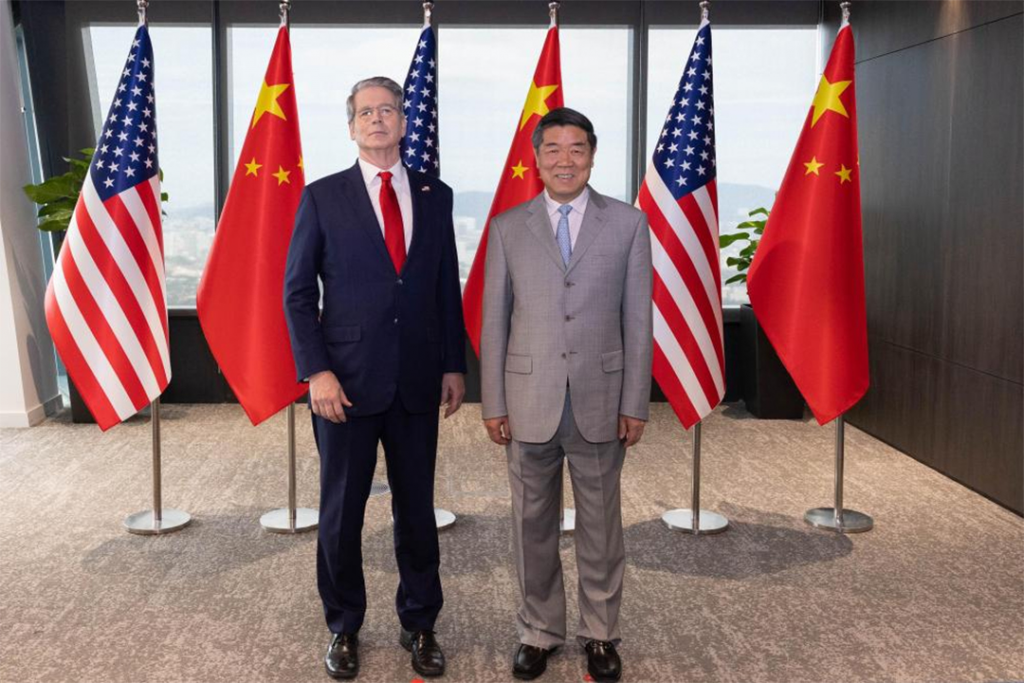
The discussions, held from Oct. 25 to 26 local time, were led by Chinese Vice Premier He Lifeng, the U.S. treasury secretary Scott Bessent and the U.S. trade representative Jamieson Greer. The meetings were described as candid, in-depth and constructive.
Bessent told reporters that the Malaysia talks had eliminated the threat of Trump’s 100% tariffs on Chinese imports starting Nov. 1, according to U.S. media reports. The U.S. treasury secretary also said he expected Beijing to delay implementation of its rare earth licensing measures by a year while the policy is reconsidered.
In Kuala Lumpur, the preliminary agreement marks a step toward stabilizing the turbulent economic relationship between the world’s two largest economies. The talks covered contentious topics including U.S. Section 301 measures against China’s maritime logistics and shipbuilding industries, the extension of a reciprocal tariff suspension, fentanyl-related tariffs and law enforcement cooperation, agricultural trade, and export controls.
He, China’s lead negotiator, said the essence of the Sino-U.S. economic relationship is mutual benefit, according to state broadcaster CCTV. He stated that maintaining a stable economic relationship is in the fundamental interests of both nations and that differences should be resolved through dialogue based on mutual respect and win-win cooperation.
The U.S. side stated that its economic relationship with China is the most influential in the world and expressed willingness to resolve differences and strengthen cooperation through equal and respectful means, according to the Chinese readout.
Li Chenggang, China’s international trade negotiator and a vice minister of commerce, said on Oct. 26 that the U.S. stance was “tough” while China was “firm” in defending its interests. Following more than a day of intense discussions, the two sides constructively explored solutions and formed a preliminary consensus, which will now go through internal approval procedures, Li said.
During the meetings, He stated that the essence of the Sino-U.S. economic and trade relationship is mutual benefit and that cooperation helps both sides while conflict harms them. He said that maintaining stable development of these ties is in the fundamental interests of both nations and aligns with the expectations of the international community. He added that disagreements should be resolved through equal dialogue and consultation based on principles of mutual respect, peaceful coexistence, and win-win cooperation.
He expressed hope that the U.S. would work with China to implement the important consensus reached in previous calls between the two heads of state and the outcomes of trade talks held this year.
According to the Chinese state media, the U.S. side acknowledged that the U.S.-China economic and trade relationship is the most influential bilateral relationship globally and expressed a willingness to resolve differences and strengthen cooperation through equality and respect to achieve common development.
Both parties agreed to continue using the bilateral trade negotiation mechanism to maintain close communication on their respective economic concerns and to promote the stable and sustainable development of economic ties, Chinese state media reported.
Contact editor Lu Zhenhua (zhenhualu@caixin.com)
caixinglobal.com is the English-language online news portal of Chinese financial and business news media group Caixin. Global Neighbours is authorized to reprint this article.
Image: naraichal – stock.adobe.com